In an enterprise environment, computing infrastructure is not just a support function; it directly impacts productivity, security, scalability, and long-term cost efficiency. Yet, many organisations still approach PC procurement as a transactional purchase rather than a strategic decision.
Enterprises increasingly rely on specialised PC solution providers to align computing infrastructure with real business workloads rather than generic specifications.
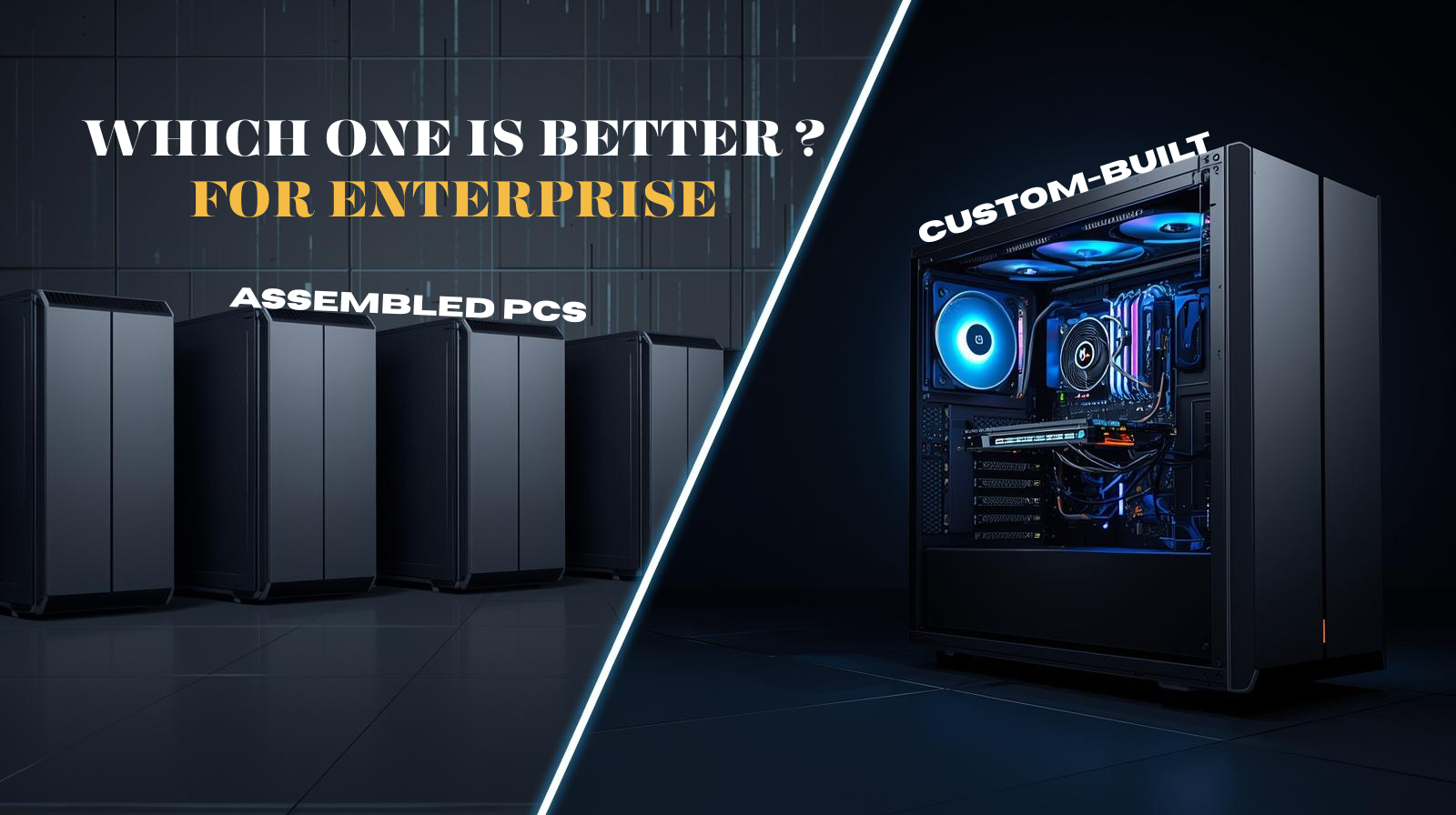
One of the most common dilemmas enterprises face is choosing between custom-built PCs and pre-assembled (off-the-shelf) PCs. While both may appear similar on paper, their real-world performance, flexibility, and total cost of ownership differ significantly.
This blog breaks down the key differences, use-case suitability, and long-term implications to help enterprises make informed IT investments.
Understanding the Two Approaches
What Are Assembled (Off-the-Shelf) PCs?
Assembled PCs are mass-produced systems offered by large OEMs. They come with fixed hardware configurations designed to cater to a broad audience.
These systems prioritise:
- Standardization
- Quick availability
- Predictable pricing
However, they often sacrifice optimisation and adaptability.
What Are Custom-Built PCs?
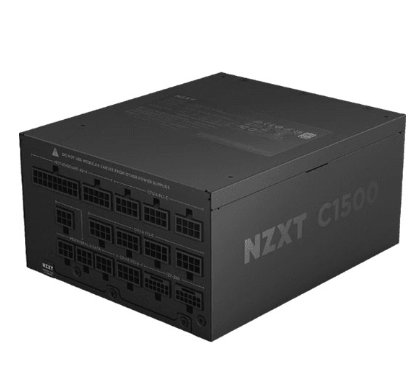
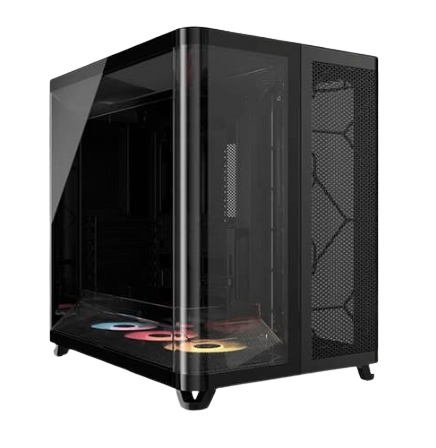
Custom-built PCs are designed from the ground up based on specific enterprise workloads. Every component, whether it be CPU, GPU, RAM, storage, cooling, or power delivery, is carefully selected to match the operational requirements.
They prioritise:
- Performance alignment
- Scalability
- Long-term efficiency
Key Comparison: Custom-Built vs Assembled PCs
Aspect
|
Assembled PCs
|
Custom-Built PCs
|
Enterprise Impact / Insight
|
1. Performance Optimisation
|
Generic configurations include unnecessary components. Performance bottlenecks in CPU, memory, or storage
|
Hardware tailored to exact workloads (analytics, design, virtualisation, finance, etc.) Balanced systems with no underutilised or overloaded components. Consistent performance under sustained loads
|
Faster workflows, fewer system slowdowns, and higher employee productivity
|
2. Scalability & Future-Readiness
|
Limited upgrade paths. Proprietary components in many OEM systems, and early obsolescence when workloads evolve
|
Modular architecture upgrades for RAM, storage, GPU, and networking. Designed to scale with business growth
|
Reduced reinvestment cycles and better ROI over time
|
3. Cost: Short-Term vs Long-Term
|
Lower upfront cost, higher long-term expenses due to replacements and inefficiencies, paying for bundled software and unused features
|
Optimised upfront investment. Lower total cost of ownership (TCO), Fewer replacements, and better component lifespan
|
Cost efficiency is not about price, it’s about value over the years
|
4. Reliability & Thermal Management
|
Basic cooling solutions. Throttling under heavy workloads. Higher failure rates in continuous-use environments
|
Enterprise-grade cooling. Stable power delivery. Designed for 24/7 operations
|
Reduced downtime and fewer maintenance interruptions
|
5. Security & Compliance
|
Pre-installed software and bloatware. Limited control over firmware and BIOS. Generic security configurations
|
Clean OS installations. Hardware-level security customisation. Easier alignment with enterprise security policies
|
Stronger data protection and compliance readiness
|
6. Deployment at Scale
|
Quick procurement. Inconsistent configurations across batches, and difficult to standardise over time
|
Standardised builds tailored to roles (finance, design, analytics, development). Easier fleet management. Consistent performance benchmarks
|
Smoother IT operations and predictable performance
|
Use-Case Suitability
|
Enterprise Need
|
Recommended Choice
|
|
General admin tasks
|
Custom-Built PCs
|
|
Data analytics & BI
|
Custom-Built PCs
|
|
Software development
|
Custom-Built PCs
|
|
Financial modelling & trading
|
Custom-Built PCs
|
|
Creative & design teams
|
Custom-Built PCs
|
|
Short-term deployments
|
Assembled PCs
|
Why Enterprises Are Moving Toward Custom-Built Systems
Modern enterprises are no longer limited by hardware availability, they are limited by hardware alignment.
Custom-built PCs enable:
- Role-specific optimization
- Better utilisation of IT budgets
- Infrastructure that adapts, not restricts
For organisations focused on performance, security, and long-term scalability, custom-built systems are increasingly becoming the preferred choice. This shift is often supported by consultative PC design approaches that prioritise scalability, security, and long-term operational efficiency.
Final Thoughts
Choosing between custom-built and assembled PCs is not just an IT decision; it’s a business strategy.
If your organisation values:
- Performance consistency
- Operational scalability
- Long-term cost efficiency
- Enterprise-grade reliability
Then, custom-built PCs provide a clear strategic advantage over generic assembled systems.
In enterprise environments, one-size-fits-all rarely fits anyone well.