Choosing a gaming monitor today isn’t just about refresh rate or panel type anymore. One of the most common (and expensive) mistakes Indian gamers make is picking the wrong resolution for their setup.
On paper, 1440p sounds superior. Higher resolution, sharper visuals, future-ready.
In reality, for many gamers, 1080p delivers a smoother and more balanced experience.
So which one actually makes sense for you?
Let’s break this down practically, not theoretically.
Why Resolution Matters More Than You Think
Monitor resolution directly affects:
- GPU load and frame rates
- Visual clarity and screen sharpness
- Long-term upgrade flexibility
- Overall price-to-performance balance
Resolution isn’t an isolated choice. It must align with your GPU, CPU, game preferences, and budget.
This is where most buying guides stop short.
Understanding the Basics
What is 1080p?
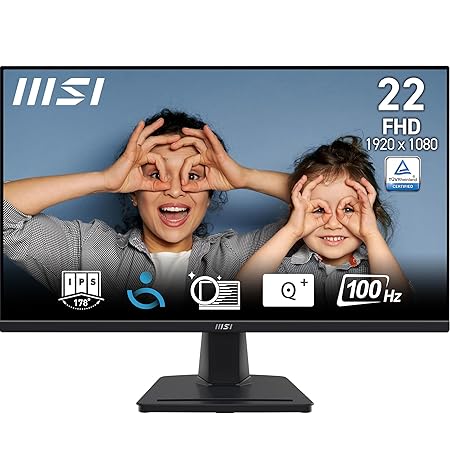
- Resolution: 1920 × 1080
- Also called: Full HD (FHD)
- Most widely supported resolution in gaming
What is 1440p?
- Resolution: 2560 × 1440
- Also called: Quad HD (QHD)
- ~77% more pixels than 1080p
More pixels = more GPU effort. Always.
1080p Gaming: Where It Still Dominates
Despite being older, 1080p remains the most sensible choice for a large section of Indian gamers.
Why 1080p Works So Well
1. Higher FPS at Lower Cost
At 1080p, GPUs push significantly higher frame rates. This matters more than raw visual sharpness in fast-paced games.
2. Budget-Friendly GPU Pairing
GPUs like RTX 3060, RTX 4060, RX 6600, and RX 7600 perform optimally at 1080p without compromises.
3. Competitive Gaming Advantage
Games like Valorant, CS2, Fortnite, and Apex Legends benefit more from FPS stability than resolution upgrades.
4. Cheaper High-Refresh Monitors
You’ll find excellent 144Hz and 165Hz 1080p monitors under ₹15,000, which is hard to replicate at 1440p.
👉 This is why 1080p monitors consistently top our buyer interest lists.
(See how we evaluate monitors practically: Digibuggy Consultation)
1440p Gaming: When It Actually Makes Sense
1440p is not overrated. It’s just misapplied.
Where 1440p Shines
1. Visual Immersion
Single-player and cinematic games like Cyberpunk 2077, Elden Ring, and Red Dead Redemption 2 look noticeably sharper.
2. Bigger Screens (27” Sweet Spot)
1440p scales far better on 27-inch monitors, reducing pixel density issues seen with 1080p at that size.
3. Creator and Gamer Hybrid Use
If you edit videos, design, or code alongside gaming, the extra workspace is genuinely useful.
The Real Cost of 1440p (Most People Ignore This)
To enjoy 1440p properly, you need:
- A stronger GPU (RTX 4070 / RX 7800 XT class or above)
- Higher VRAM headroom
- More frequent upgrades over time
Buying a 1440p monitor with a mid-range GPU often leads to lower FPS, frequent setting compromises, and faster system obsolescence.
1080p vs 1440p: Real-World Comparison
Performance
- 1080p: Higher FPS, smoother gameplay
- 1440p: Lower FPS unless the GPU is powerful
Visual Quality
- 1080p: Sharp on 24-inch displays
- 1440p: Noticeably sharper at 27 inches
Cost Impact
- 1080p: Lower monitor + GPU cost
- 1440p: Higher total system investment
Longevity
- 1080p: Easier upgrades
- 1440p: Faster GPU dependency
The Indian Gamer Reality Check
Here’s the truth we’ve learned after configuring thousands of systems:
Most Indian gamers upgrade their GPU before they upgrade their monitor.
A mismatched monitor choice often forces a premature GPU upgrade, increasing long-term cost.
That’s why we always evaluate monitor and GPU use cases together, not in isolation.
Our system-first approach is explained here
So, Which One Should You Choose?
Choose 1080p if:
- You play competitive shooters
- Your GPU budget is under ₹40,000
- You value smoothness over visuals
- You want a cost-efficient build
Choose 1440p if:
- You play immersive single-player games
- You own or plan a high-end GPU
- You use your PC for work + gaming
- You’re building a long-term setup
There is no “better” resolution.
Only a better-aligned system.
FAQs
1. Is 1440p worth it for casual gaming?
Not really. If you play occasionally, 1080p offers better value and smoother performance without extra hardware costs.
2. Can I use a 1440p monitor with a mid-range GPU?
Yes, but expect lower FPS or reduced graphics settings in modern games.
3. Does 1440p improve competitive performance?
No. Competitive players benefit more from higher refresh rates and FPS than from higher resolution.
4. Which resolution is more future-proof?
Future-proofing depends on GPU upgrade cycles, not just resolution. A balanced 1080p system often ages better.
Final Thought: Resolution Is a System Decision
Most buyers don’t regret their GPU choice.
They regret how everything interacts.
That’s why we don’t recommend parts in isolation.
We design systems around how you actually use your PC.
If you’re unsure which resolution fits your build, getting clarity early saves money later