Introduction
Heat is one of the biggest enemies of gaming performance. In India, where room temperatures can stay high for most of the year, gaming PCs are especially prone to overheating. This can lead to FPS drops, thermal throttling, sudden shutdowns, and reduced component lifespan.
Keeping your gaming PC cool isn’t just about avoiding heat; it’s about ensuring smooth gameplay, stable performance, and long-term reliability. The good news: you don’t need expensive hardware upgrades to maintain good temperatures. Often, the right setup and maintenance can make a noticeable difference.
Below are 8 practical and effective cooling tips every gamer should know. And if you ever feel unsure about airflow, component pairing, or optimisation, you can also explore expert PC consultation to get personalised guidance tailored to your setup.
Why Cooling Matters
Impact on CPU, GPU, and FPS
Your CPU and GPU work hardest during gaming and creative workloads. When they heat up past safe operating levels, they reduce their clock speeds to protect themselves — a process known as thermal throttling. This results in:
- Frame drops
- Lower performance
- Stuttering in fast-paced games
Long-Term Hardware Effects
Consistently high temperatures also:
- Shorten the lifespan of components
- Dry out thermal paste faster
- Increase the chance of system failure
Maintaining optimal temperatures is crucial for both performance and durability.
8 Tips to Keep Your Gaming PC Cool
1. Optimise Airflow
The most important principle of cooling is proper airflow direction.
- Ensure at least one front intake fan and one rear exhaust fan
- Avoid placing your PC in a closed box or a tight corner
- Check that cables are neatly managed to avoid airflow blockage
A well-ventilated case can reduce temperatures by 5–10°C.
2. Keep Your PC Clean
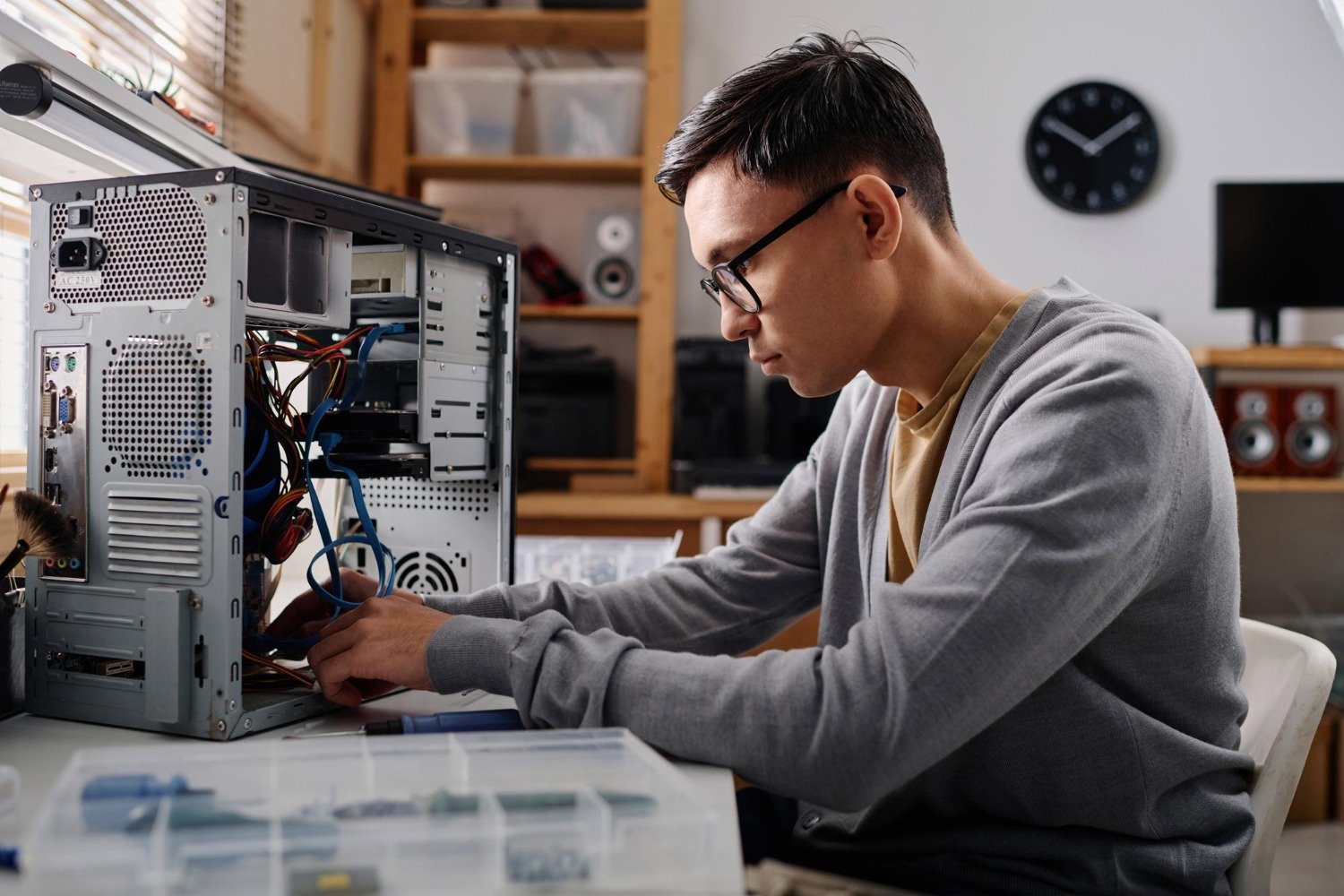
Dust buildup on fans, vents, and heatsinks acts like a thermal blanket.
- Clean your PC every 1–2 months
- Use compressed air (short bursts)
- Avoid using wet cloths inside the case
Even a light dust cleanup can noticeably improve temperatures.
3. Monitor Temperatures
Knowing your PC’s temperature levels helps you react before overheating happens.
Use tools like:
- MSI Afterburner
- HWMonitor
- NZXT CAM
Ideal average temps during gaming:
|
Component
|
Safe Range
|
|
CPU
|
70–85°C
|
|
GPU
|
65–85°C
|
4. Apply Thermal Paste Properly
Old or improperly applied thermal paste can trap heat.
- Replace thermal paste every 1–2 years
- Apply a small pea-sized amount and let the cooler pressure spread it
This small step can make a 5–15°C difference depending on usage conditions.
5. Manage Room Temperature
If the room is hot, your PC will heat up faster, no matter how good your cooling setup is.
Simple improvements:
- Keep the PC away from direct sunlight
- Maintain ventilation in the room
- Use a fan or cooler during long gaming sessions
Environmental cooling makes a significant real-world difference.
6. Adjust Fan Speeds
Custom fan curves can help push out heat more efficiently.
Most PCs allow fan curve control through:
- BIOS settings
- MSI Afterburner
- Proprietary motherboard software
Set curves so fans ramp up gradually when temps rise.
7. Reduce Background Load
Unnecessary software running in the background increases CPU and GPU usage and temperature.
Before gaming:
- Close Chrome tabs
- Exit Discord if not needed
- Disable auto-start apps
This frees up resources and keeps system load lower.
8. Seek Expert PC Consultation
Sometimes, temperature issues come from the build itself, incorrect component pairing, case layout, or cooler selection.
If you're unsure:
- Whether your components are balanced
- How to plan your airflow layout
- What cooling upgrade gives the best value
You can get guidance via Digibuggy’s PC Consultation service, where experts help optimise setups for:
- Better airflow design
- Thermal stability
- Long-term performance
Conclusion
Keeping your gaming PC cool is not complicated. With the right airflow, regular cleaning, proper monitoring, and smart load management, you can significantly improve performance and hardware lifespan.
And if you need help customising or optimising your build, Digibuggy offers guidance to ensure your system stays efficient, stable, and future-ready.
To explore builds, upgrades, and real user experiences, check out:
FAQ
How often should I clean my PC?
Every 1–2 months, depending on dust levels and the environment.
Can software alone prevent overheating?
Monitoring helps, but airflow + hardware layout matter more.
Do I need professional help?
Not always, but expert guidance can prevent costly mistakes and ensure balanced thermal performance.
Will these tips improve FPS?
Yes, by preventing thermal throttling, your game stays stable and smooth, especially during long sessions.